California Golden Chanterelle
Cantharellus Californicus
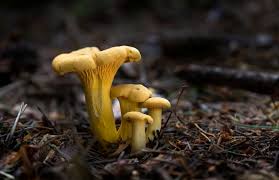
How they evolved
Chanterelle specifically evolved to have an optimal energy-transferring symbiotic relationship with oak trees.
Different types of Chanterelles across the world evolved to specifically work symbioticly with diffrent types of oak (or other types of, in the case Cantharellus formosus with fir) trees in their habitat.
They adapt to both their environment (as in an ecosystem), and their smaller habitat (as in the oak tree root systems they use to survive)
For example, the California Chanterelles have earned themselves the nicknames Mud-puppies
or Mud-trelles
because of their tendency to poke up from muddy earth after rain, the type of terrain common to the California coast.
Learn about what Chanterelles evolved from
Coast Live Oak
Quercus Agrifolia
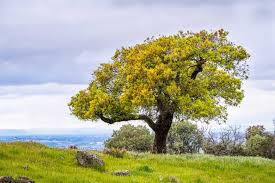
How they evolved
Oak trees have specialized to live in many different areas with temperate climates.
However, they also specialize to their specific climate, such as having different shaped leaves, branches, trunks, acorns, and many other slight adaptations. These help trees resist wind, rain, or snow, plant acorns better, hold on to the ground better, and even more.
For example, live oaks do not dorp there leaves, because we do not get snow, thus why they are called live oaks.
They have evolved to exist symbioticly with Chanterelles, shairing nutrience through the mycorrhizal networks.
Learn about where California live oaks growLearn about what California live oaks evolved from